

 Management Consulting
 Software Engineering
 Product & Strategy
 AI
AI Security
 Cloud
Cloud Data
Data Talent


What the Industry Gets Wrong About Minimum Viable Product

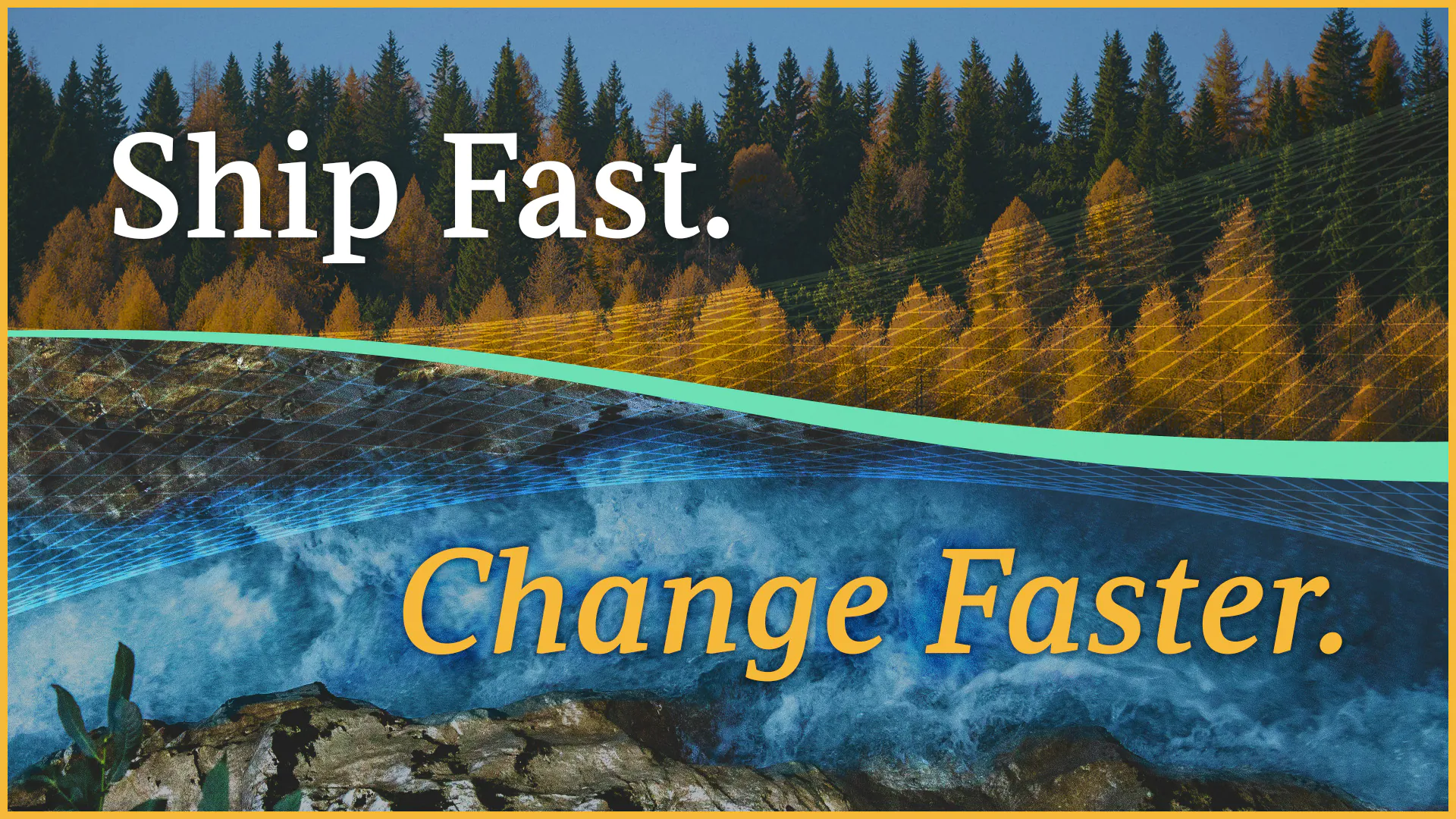


If you lead product today, you’ve probably felt the ground shift. The old advice was to ship something rough and learn in public. Now a rough launch gets punished. Users expect polish on day one, and a first version that looks unfinished can cost you the second chance you were counting on.
So the industry has done what industries do. It kept the Minimum Viable Product and swapped the adjective. First came the Minimum Lovable Product, the smallest thing people will love rather than tolerate. Then came the Minimum Adaptive Product, software that reshapes itself around each user. Both are sensible responses to a real change. Both leave the same assumption untouched.
That assumption is that the noun is what we’re optimizing. The product. When building was slow and expensive, that made sense. The first version was the costly thing, so we argued about how good it had to be before we dared show anyone. “Minimum” and “viable” were doing real work, because every build was a bet you couldn’t easily unwind.
AI has quietly removed that constraint. When a polished experience costs a weekend instead of a quarter, the first version isn’t the expensive thing anymore. Being wrong is still cheap to discover. Being wrong and unable to change course is what now costs you. The bottleneck has moved from making the product to changing your mind about it.
Which points to a different word than lovable, viable, or adaptive: adaptable.
The distinction is easy to miss and worth holding onto. An adaptive product changes itself for the user. That’s a feature, and it lives inside the product. An adaptable product is one you can change cheaply as you learn. It’s a property of how the thing is built, and of how ready your team is to keep experimenting: not a feature bolted onto the product itself. In practice, that means short feedback loops, components that don’t require a full rebuild to change, and a team with real authority to act on what they learn. One reshapes around the user. The other lets you reshape around the truth.
Seen this way, the strategic question changes. It’s less “What are we building, and is it good enough to launch,” and more “How cheaply can we learn we were wrong, and act on it.” The first version stops being a verdict on the idea. It becomes the opening move in a loop you intend to run many times.
None of this retires the discipline that made the MVP useful. Clear hypotheses, real users, and honest evidence still decide who wins. What changes is where the advantage sits. How much that’s worth still depends on how sure you are: a well-understood build doesn’t need to pay for it, but the more you expect to be wrong, the more that property is worth having. In a market where anyone can build almost anything quickly, the durable edge is how quickly the next version can be different, not the product you launch.
This content comes from our product and strategy practice, which specializes in structuring product organizations for clarity, flow, and customer alignment, while linking delivery decisions to enterprise strategy.