

 Management Consulting
 Software Engineering
 Product & Strategy
 AI
AI Security
 Cloud
Cloud Data
Data Talent


It Starts with Cross-Functional Teams

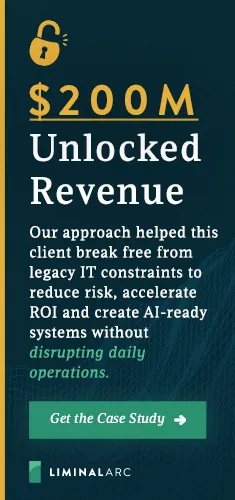
Mike Cottmeyer describes the core challenges with transformations begins with setting up cross-functional teams.
Learn more by watching the Base Patterns of Business Agility on-demand webinar series here
Transcript
How do I take this functionally siloed organization and turn it into the kind of organization that we can actually deliver the way we want to deliver? So that’s the core challenge of transformation. But this pattern, and I want to anchor back on the pattern is, it is inevitable at some level of scale that we are going to have to have a combination of shared services. We are going to have a set of teams that consume the services. There’s going to be something that I’ll say plans and integrates the services. And there’s something that governs the services. Now you think about like what safe is, right? What safe is is really interesting, right? So safe is designed basically this idea that we’re going to encapsulate value streams and then we’re going to put release trains and planning increments and all that kind of stuff around the value streams. But again, what I believe that safe has done is that it’s largely codifide like a way of dealing with multiple teams independencies at scale. But what we’re experiencing in some of these super large organizations that we’re working in, is that the value streams aren’t even decoupled from each other. So I guess just point being, just maybe kind of put a little bit of a bow on this, is that what we’ve got to figure out how to do, is start off with, how are we going to form teams? How are we going to group teams? How are we going to govern teams? And then ultimately, how are we going to measure and control teams? And then the big question is, what are we going to do with dependencies and how are we going to manage dependencies when they exist? So what we want to be able to do is, we want to be able to look into the organization and at the lowest level try to figure out how we can create complete cross functional teams.