

 Management Consulting
 Software Engineering
 Product & Strategy
 AI
AI Security
 Cloud
Cloud Data
Data Talent


Student QA: Can the ScrumMaster take on additional work? Should you re-estimate unfinished work? w/ Sarah Smith




Listen to Future State Now on the go!
Find and subscribe to Future State Now on:
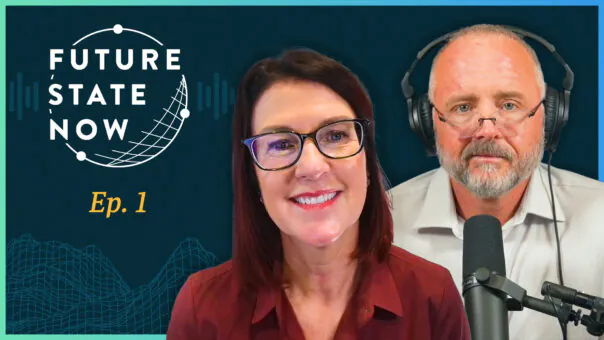
This episode of SoundNotes features two questions recently submitted by students from our CSM and CSPO classes. LeadingAgile’s Sarah Smith and I respond to the questions, sharing our thoughts, recommended practices, and things to watch out for.
The two questions are:
1. Is it okay for the ScrumMaster to take on additional (non-ScrumMaster) work during the Sprint?
2. When you have unfinished work at the end of a Sprint, does it automatically carry over into the next Sprint, and should you re-estimate it before you begin working on it again?
In responding to the first question we discuss the potential impact of planning for the SM to take on non-SM work during the Sprint, how that can impact the team’s ability to deliver and, if the SM takes on additional work, what should that work be?
The second question focuses on the situation where you get to the end of the Sprint, you have partially completed work and many teams will automatically push that into the next Sprint. If you have partially completed work, let’s say it is a User Story that was originally estimated using Story Points, and it was an 8. If there are only a few minutes of work needed to complete that item in a future Sprint, why do some teams feel the urge to give it a new Story Point estimate (based on work remaining) and what impact does that behavior have on the Scrum Team’s velocity?
If you have follow-up questions for Sarah or Dave, here is how you can reach them:
Contacting Sarah Smith
Web: https://liminalarc.co/guides/sarah-smith/
LinkedIn: https://www.linkedin.com/in/sarahleasmith/
Contacting Dave Prior
If you’d like to contact Dave you can reach him at:
LeadingAgile: https://liminalarc.co/guides/dave-prior/
LinkedIn: https://www.linkedin.com/in/mrsungo
Twitter: https://twitter.com/mrsungo
Email: dave.prior@leadingagile.com
If you have a question you’d like to submit for an upcoming podcast, please send them to dave.prior@leadingagile.com