Management Consulting
 Software Engineering
 Product & Strategy
 AI
 Security
 Cloud
 Data
 Talent


Becoming an Agile Coach w/ Tim Wise

Reading:
Becoming an Agile Coach w/ Tim Wise
We received a question from someone who’s been working as a Scrum Master for awhile and is considering moving into coaching. They just weren’t sure how to tell if it was the correct next step and had a lot of questions about what the job involved, what skills were needed, etc.
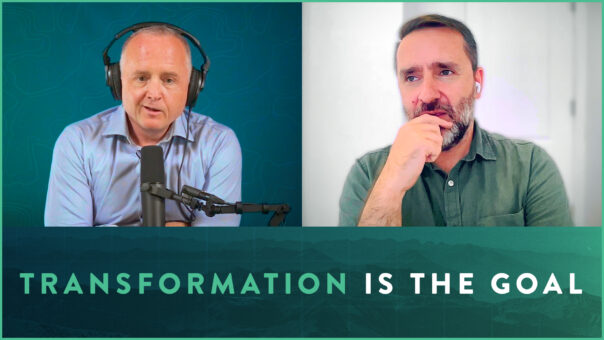
In this week’s podcast, Tim Wise and Dave Prior discuss the role of an Agile coach, what it involves, the day to day work, what skills are needed and—if you’re in that role—some important things to watch out for.
Show Notes
- 0:08 Interview Begins
- 00:25 How Tim ended up working in Agile Coaching
- 03:32 What skills do you need to be an Agile Coach
- 06:12 What is the job of a coach – at the team and enterprise level?
- 09:08 What you need to move from being a ScrumMaster (coaching one team) to being a coach of multiple teams
- 12:33 Is it better to work as a consultant, moving from team to team and seeing lots of ways of making Agile work (and not) or is it better to stick with one team and get them to a high performing state?
- 14:30 What areas Tim had to focus on to become effective at providing coaching for multiple teams
- 16:11 Mentoring, school or hard knocks, or surrounding yourself with brilliant people?
- 18:53 Be wary of “EXPERTS”
- 19:28 Moving past imposter syndrome
- 22:05 Knockaround Guys… 500 fights to consider yourself a legitimate tough guy
- 23:32 Will coaching camp or certification make you a good coach?
- 26:07 Always be the student
- 27:57 Understanding your own coaching shortcomings… and how they may somtimes be strengths
- 31:00 Practice the skills you need to take risks and be vulnerable
- 32:00 Avoiding the addiction to pontificating after the team fails
- 35:15 What does a coach do all day
- 39:20 How the day breaks down if you are doing team level coaching
- 40:04 Working with the Executives and using Social Engineering for good
- 41:41 Two additional skills to work on
- 43:12 Understanding your own capacity
- 45:55 How much selling is an Agile Coach required/expected to do
- 48:28 Building the desire for change
- 51:54 What does Tim with he had been told about coaching before he got started down the path
- 53:11 You never know when the seeds will germinate
- 55:30 Keeping it fresh for yourself
- 56:38 Getting in touch with Tim
- 56:57 Scrum Atlanta User Group events
- 57:41 Interview Ends – Knockaround Guys
Links Mentioned In This Podcast
- Agile Coaching Institute http://agilecoachinginstitute.com
- Scrum Alliance Certified Team Coach https://www.scrumalliance.org/certifications/ctc-certification
- Scrum Alliance Certified Enterprise Coach https://www.scrumalliance.org/certifications/cec-certification
- Scrum Atlanta User Group https://www.meetup.com/agile-38/
Contacting Tim
- Email: tim@leadingagile.com
- LeadingAgile: https://liminalarc.co/guides/tim-wise/
- LinkedIn: https://www.linkedin.com/in/timwise/
- Twitter: https://twitter.com/timswise
Leave Comment